The Lodge
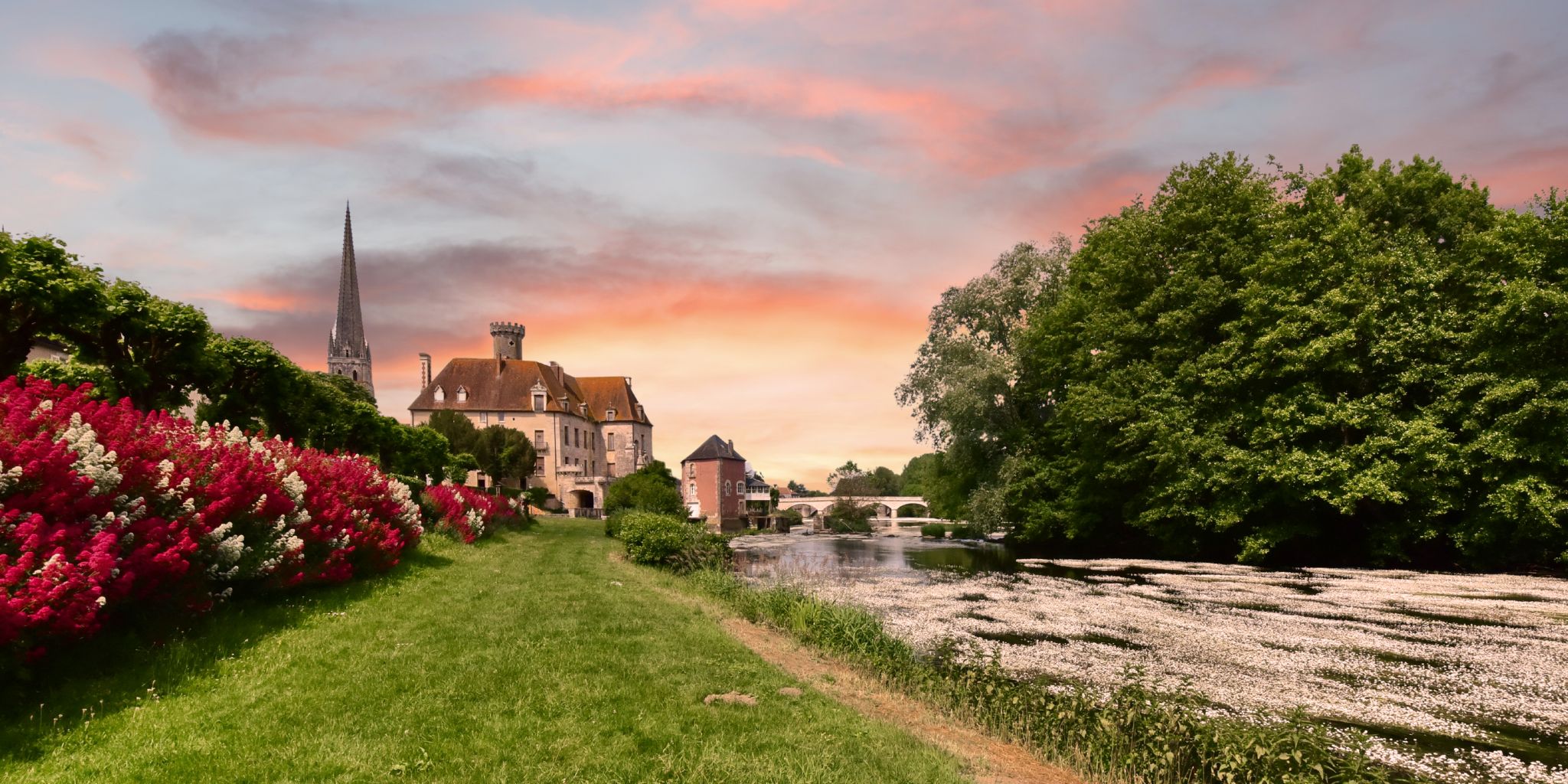
Tucked away in the historic village of Saint-Savin-sur-Gartempe, the Logis de l’Abbaye offers a stay where history, tranquillity and the charm of rural France come together.
Just moments from the magnificent Abbaye de Saint-Savin-sur-Gartempe, guests are invited to experience a place where centuries of history meet the quiet rhythm of village life.
Here, mornings begin with the gentle light over the abbey and the peaceful flow of the Gartempe river.
@Rémy Berthon
“L’abbaye de Saint-Savin, Ordre de faint Benoît, congrégation de Saint Maur, eft fituée fur la Gartempe, dans le bourg de Saint-Savin, à neuf lieues Eft de Poitiers. Elle fut fondée par Charlemagne, dans un lieu appellé Cérafus, vers l’an 800 […]”
A Romanesque Masterpiece
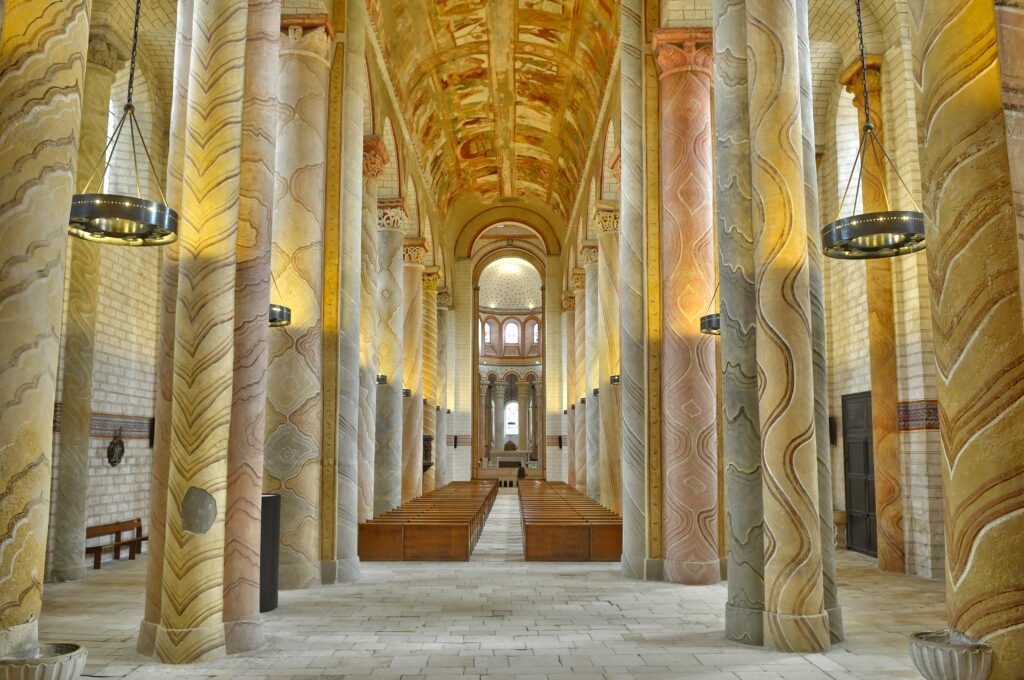
The Abbey of Saint-Savin is one of the most remarkable Romanesque monuments in Europe.
Often referred to as the “Sistine Chapel of Romanesque Art”, the abbey is famous for its spectacular painted frescoes dating from the 11th and 12th centuries, which illustrate scenes from the Old Testament across the nave and vaults.
Located only a few steps from the Logis, the abbey invites visitors to explore nearly a thousand years of history through its architecture, murals and preserved monastic buildings.
Today, it remains one of the most important cultural landmarks in western France.
The Logis de l’Abbaye features four carefully restored guest rooms, each designed to combine historic character with contemporary comfort.
Spacious, peaceful and elegantly decorated, the rooms offer an intimate atmosphere ideal for a romantic getaway or a relaxing countryside retreat.
Léon Félix Edoux
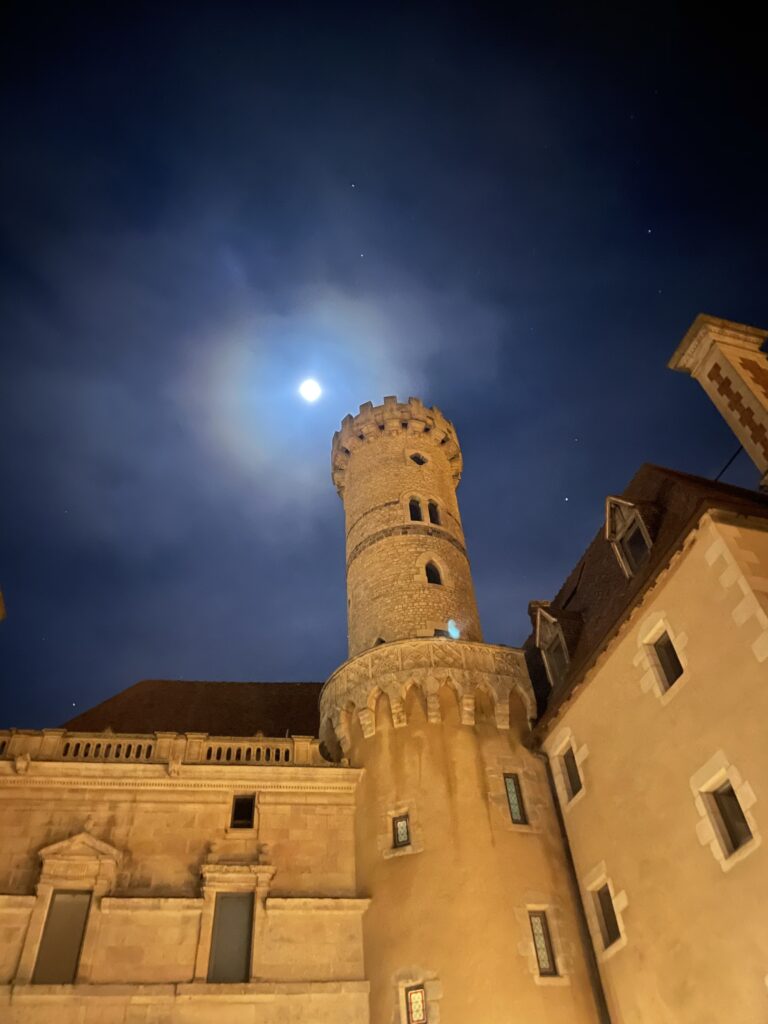
In 1892, Léon Félix Édoux acquired the Abbot’s Lodge in Saint-Savin-sur-Gartempe. A native of the village and the designer of the early “monte-fardeaux” lifting system, he is also credited with introducing the term “elevator” (ascenseur) in 1867.
After Édoux built a crenellated tower, the lodge began to be referred to by local residents as “the château.” The tower served as a water tower supplying the residence, but it was primarily used to operate the hydraulic elevator that Édoux installed there.
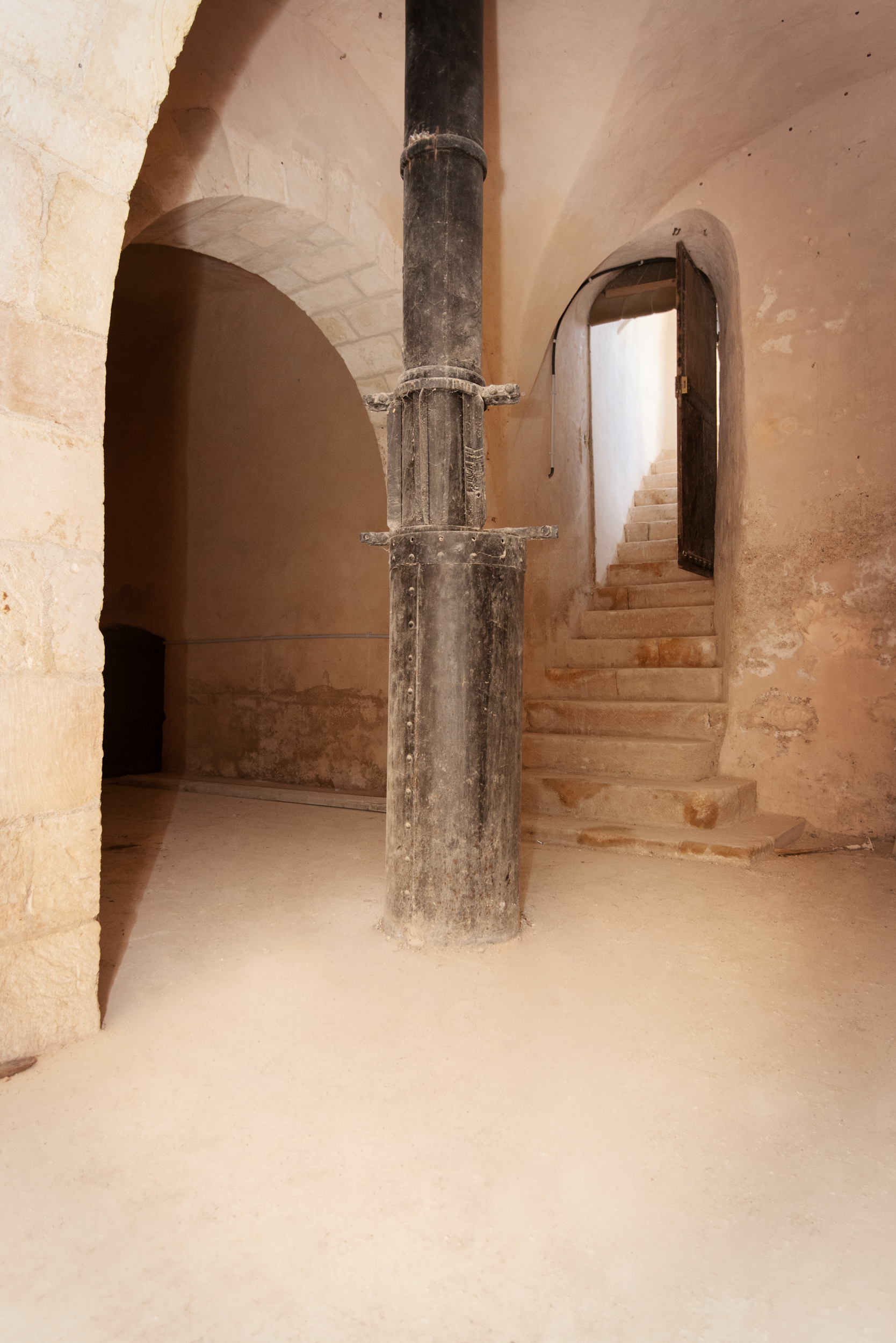
While the tower still stands today, the elevator itself has disappeared. However, the lodge’s beautiful cellar still preserves a little-known remnant of this remarkable installation: the water column that once powered the elevator.